Backend & API Development in Lahore, Pakistan
Nexentra Solutions builds the server side of web and mobile products: APIs, databases, authentication and integrations, mostly with Node.js on MongoDB or PostgreSQL.
- Node.js
- MongoDB
- PostgreSQL
- API design
What backend development covers
Every app and platform depends on work people never see: the API the app calls, the database behind it, the rules about who can do what, and the connections to other services. When that layer is designed well, adding features stays straightforward. When it isn't, every change gets slower and riskier.
- API design and development: REST APIs for web and mobile clients, documented so other developers can build on them
- Databases: data models, indexes and migrations on MongoDB or PostgreSQL
- Authentication and permissions: sign-in, sessions, roles, and protection against common attacks such as brute-force logins
- Integrations: payments, email, analytics, social networks and other third-party APIs
- Admin tools and content management: the internal screens a team uses to run the product
- Caching, background jobs and monitoring, so the system stays responsive and problems are visible
MongoDB or PostgreSQL?
Both are good databases, and the choice depends on the data.
| Question | MongoDB | PostgreSQL |
|---|---|---|
| Shape of the data | Documents that vary or nest naturally, such as content blocks or product catalogues | Clearly related records, such as orders, invoices and accounts |
| Relationships | Handled in the application or with references | Enforced by the database with foreign keys and joins |
| Changing the structure | Flexible, which needs discipline in validation | Planned through migrations |
| Reporting | Aggregation pipelines | SQL, which most reporting tools support directly |
Our own website stores its content in MongoDB, because its pages are made of flexible content blocks. A product built around transactions and reporting would usually start on PostgreSQL.
How we build APIs that last
- Validate everything that comes in, on the server, even when the app already checked it
- Treat errors as part of the design: clear messages for clients, retries where they are safe, and logs that make problems traceable
- Keep secrets and personal data out of places they don't belong, including logs and error reports
- Cache deliberately: only data that can safely be a little old, with a clear way to refresh it
- Monitor from the first release, so slow queries and failures show up before users report them
The same habits are behind the Nexentra website: pages render on the server from MongoDB, an enquiry is saved to the database before it is emailed, and the site keeps showing content if the database is briefly unreachable.
Documentation and handover
An API is used by people who didn't write it. We document the endpoints, authentication and error responses, keep separate staging and production environments, and write down how to deploy and roll back, so the next developer, on your team or ours, can work on it safely.
Backends the team has built
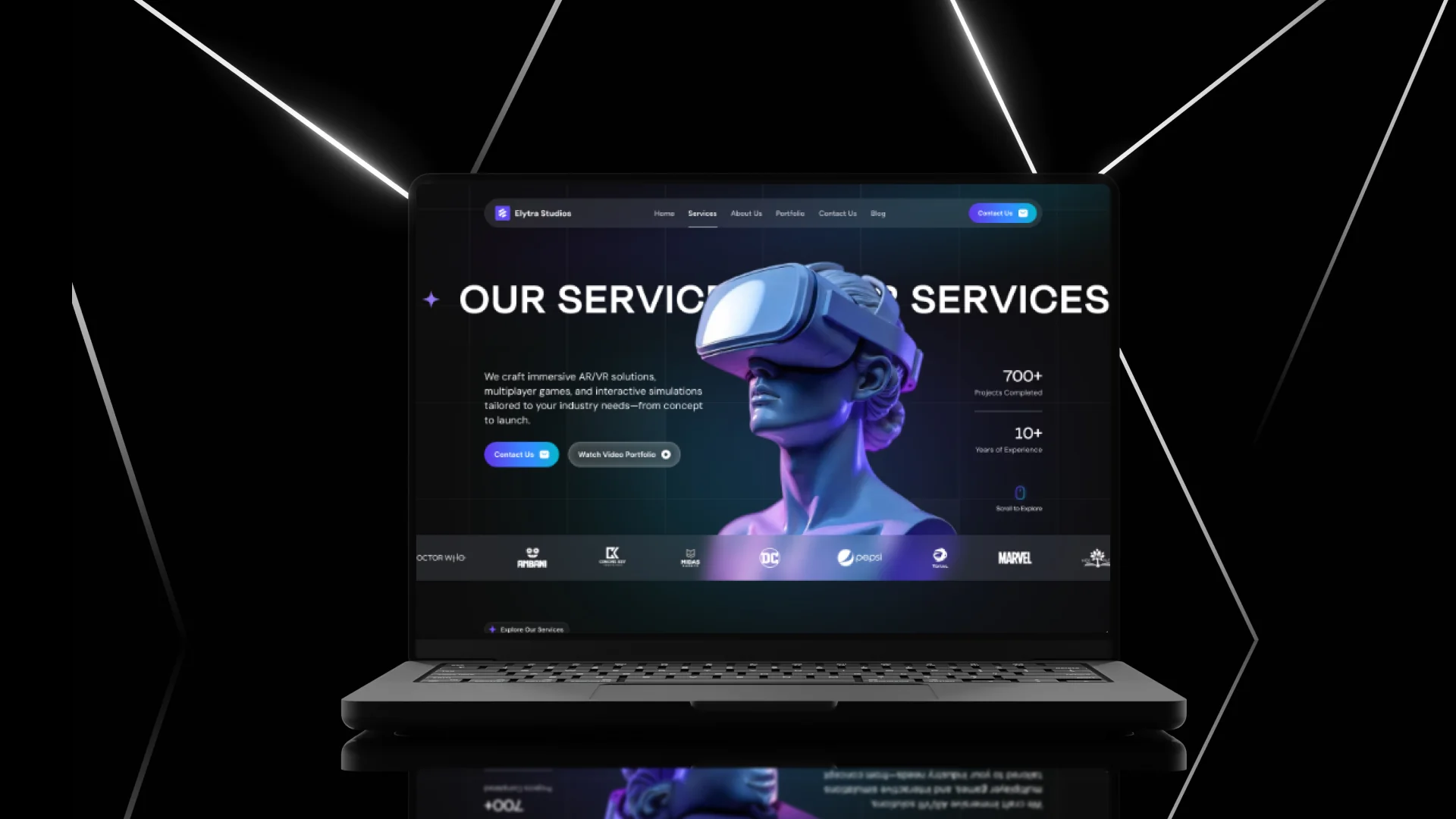
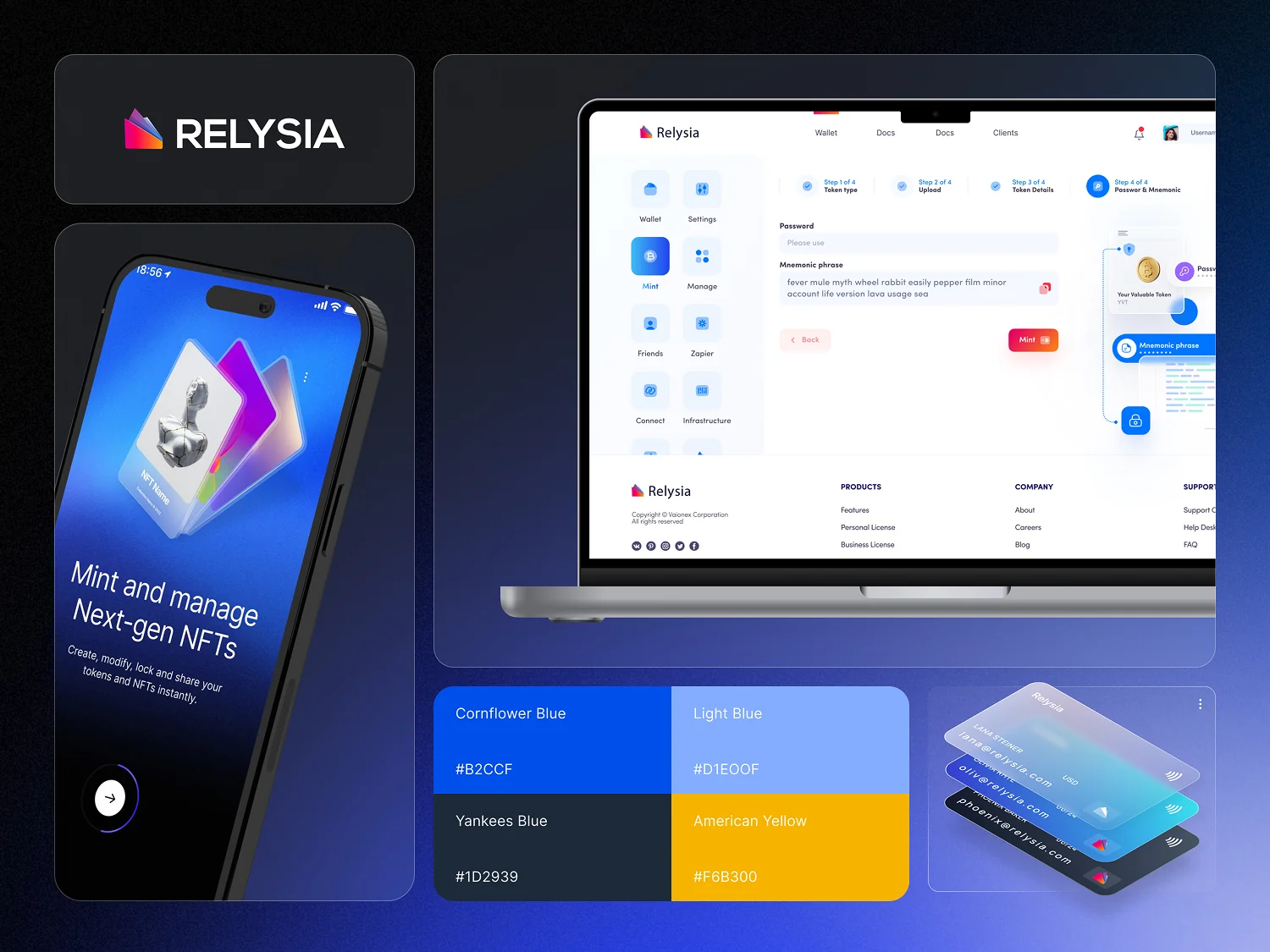
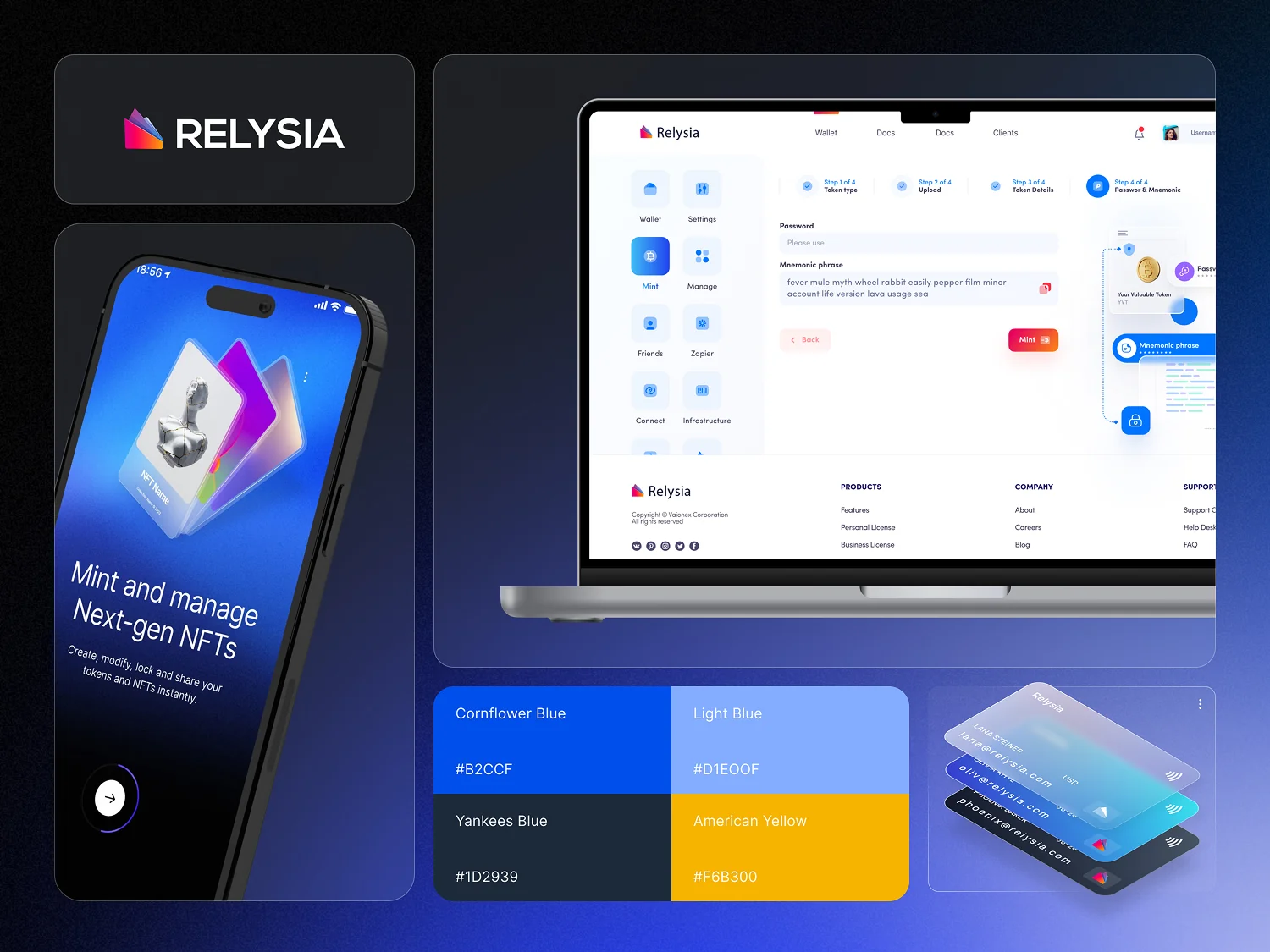
People now on the Nexentra team built these before or independently of Nexentra. For Elytra Studios, a Node.js and Express API on MongoDB powers a custom CMS, with Redis caching for frequently requested content. On Relysia, team members worked on wallet flows backed by structured APIs and a JS SDK that other applications use to create wallets and read transactions; the wallet build note covers the design side. On PlatformCore, the team built an integration layer and data pipelines that bring several third-party services into one dashboard.
What affects the cost of backend work?
- the number of client apps the API serves (web, iOS, Android, partners)
- how many third-party services need to be integrated, and how reliable they are
- data volume, reporting needs and any existing data to migrate
- security and compliance requirements, for example around payments or health data
- whether admin tools are needed alongside the API
Already have a backend?
Discovery includes a technical assessment, so an existing system is reviewed before anything changes: the code, the data model and the parts that are fragile. That review decides whether it makes sense to extend what's there or rebuild parts of it. How we take a product from idea to launch describes the stages.
If your product needs an API, a database or integrations built properly, get in touch.