Mobile App Development in Lahore, Pakistan
Nexentra Solutions designs and builds iOS and Android apps with Flutter, React Native, Swift and Kotlin, from the first prototype through app store release and the updates that follow.
- iOS
- Android
- Flutter
- React Native
- Kotlin
What we build
We build mobile apps for production: the app people download, the release pipeline behind it and the monitoring that shows how it behaves once real people use it. That includes:
- Cross-platform apps with Flutter or React Native, sharing one codebase between iOS and Android
- Native apps with Swift and Kotlin, where platform features or performance justify separate codebases
- White-label apps: several branded apps from one codebase, each with its own store listing
- The parts around the app: authentication, push notifications, payments and in-app purchases, analytics, crash reporting and the backend APIs the app talks to
Flutter, React Native or native?
There's no single right answer, so we choose per project. This is the short version of how we think about it.
| Option | Often a good fit when | Things to weigh |
|---|---|---|
| Flutter | One codebase for iOS and Android with a custom, consistent UI, or several branded versions of one app | Platform-specific features may need native code |
| React Native | The team or product already uses React and JavaScript, or screens share logic with a web app | Native modules need extra care when upgrading |
| Native (Swift, Kotlin) | Deep use of platform features, heavy graphics or strict performance needs | Two codebases to build and maintain |
Whatever we pick, the decision and the reasons behind it are written down during discovery, so they can be revisited if the product changes.
What goes into a production app?
The screens are the visible part. Much of the work is elsewhere:
- Offline behaviour: what the app does when the signal drops, and how it recovers without losing someone's progress
- Sessions and security: sign-in that doesn't expire at random, tokens stored safely, and sensitive steps confirmed clearly
- Notifications that arrive when the app is in the background, without so many that people switch them off
- Store release: builds, signing, store listings and app review for both the App Store and Google Play
- Monitoring: crash reports and analytics from the first release, so problems show up in production data rather than in reviews
Design matters just as much on a small screen. We've written about designing for thumbs and onboarding that earns a second session.
Apps the team has built
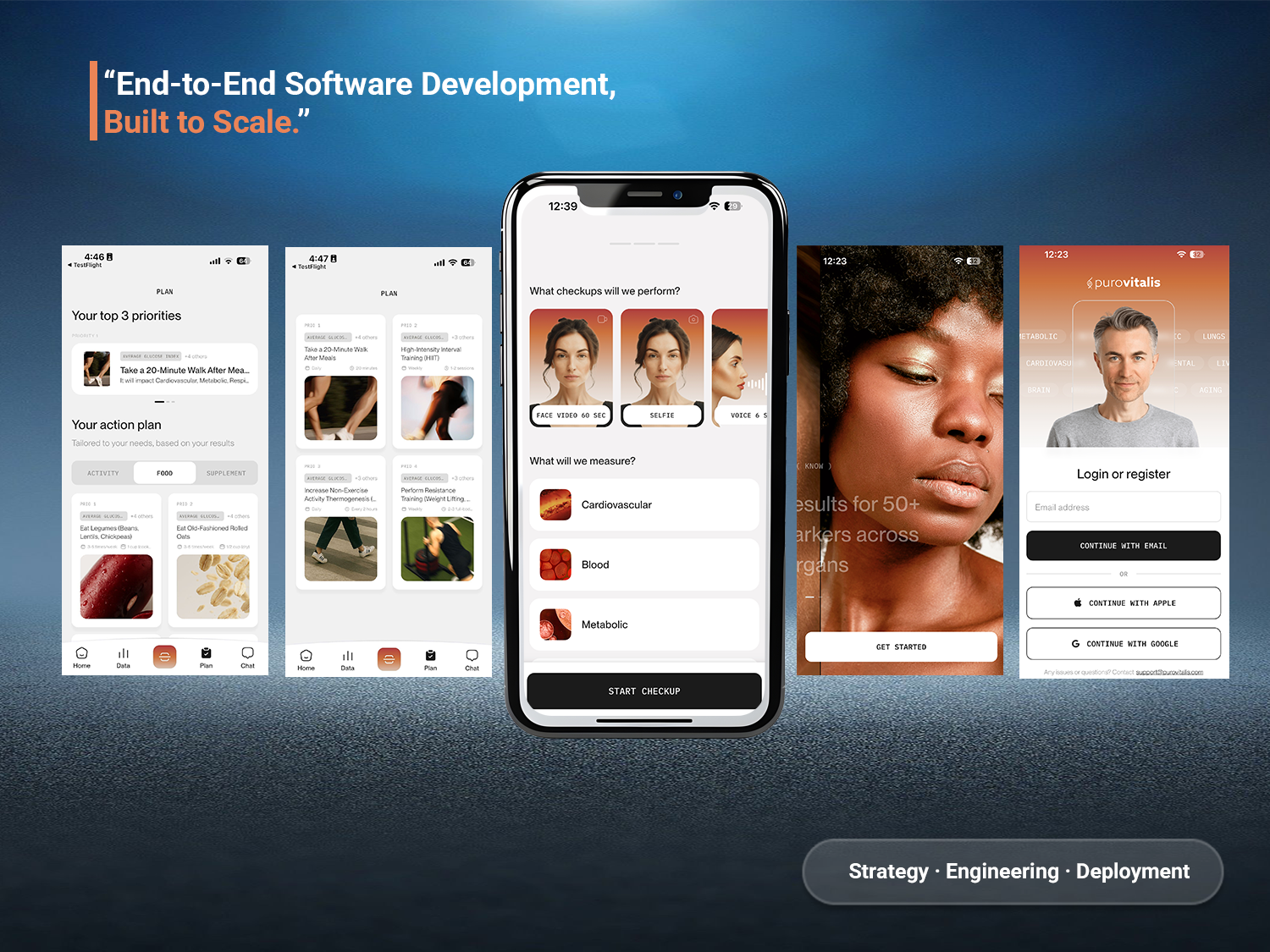
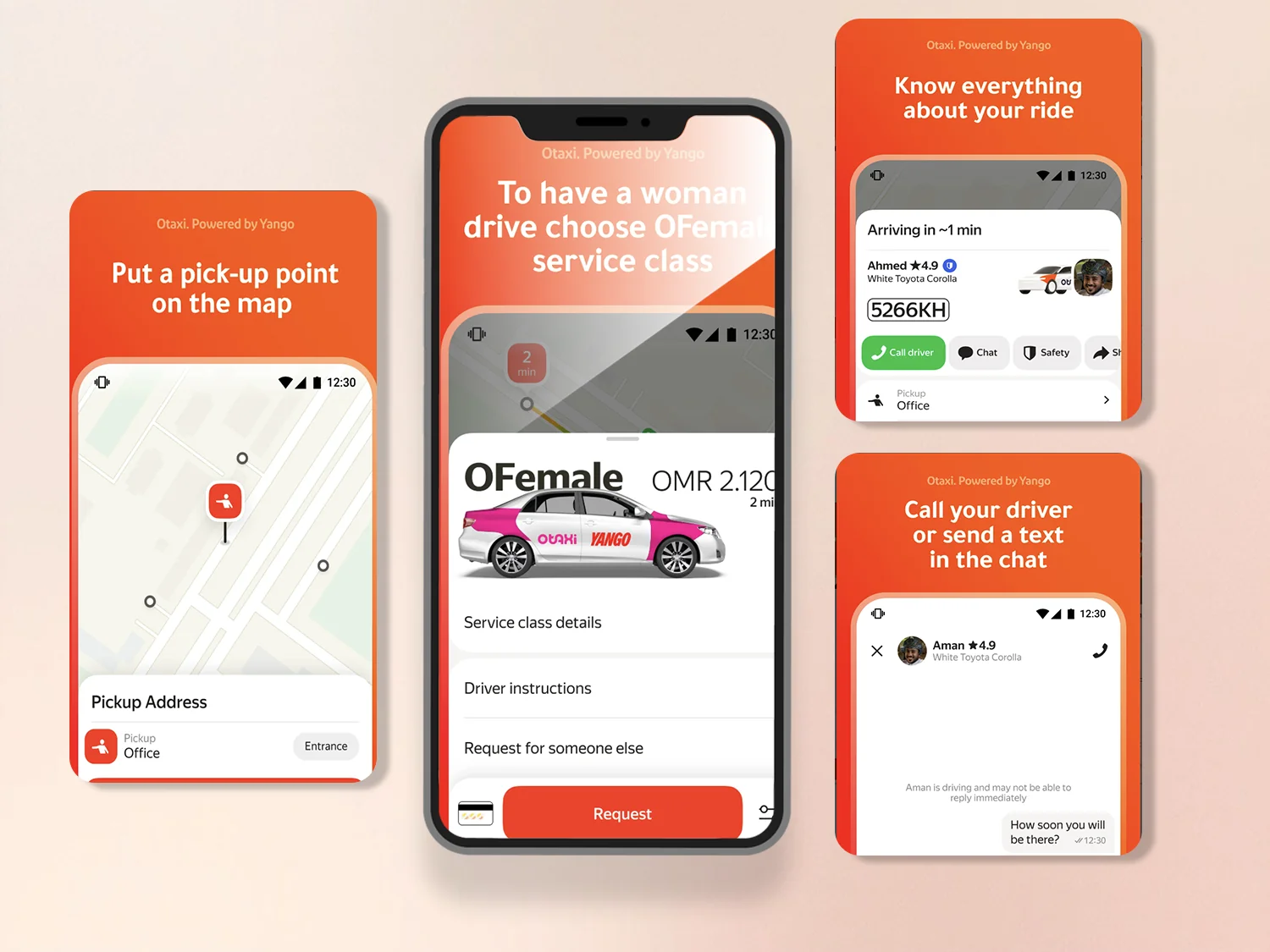
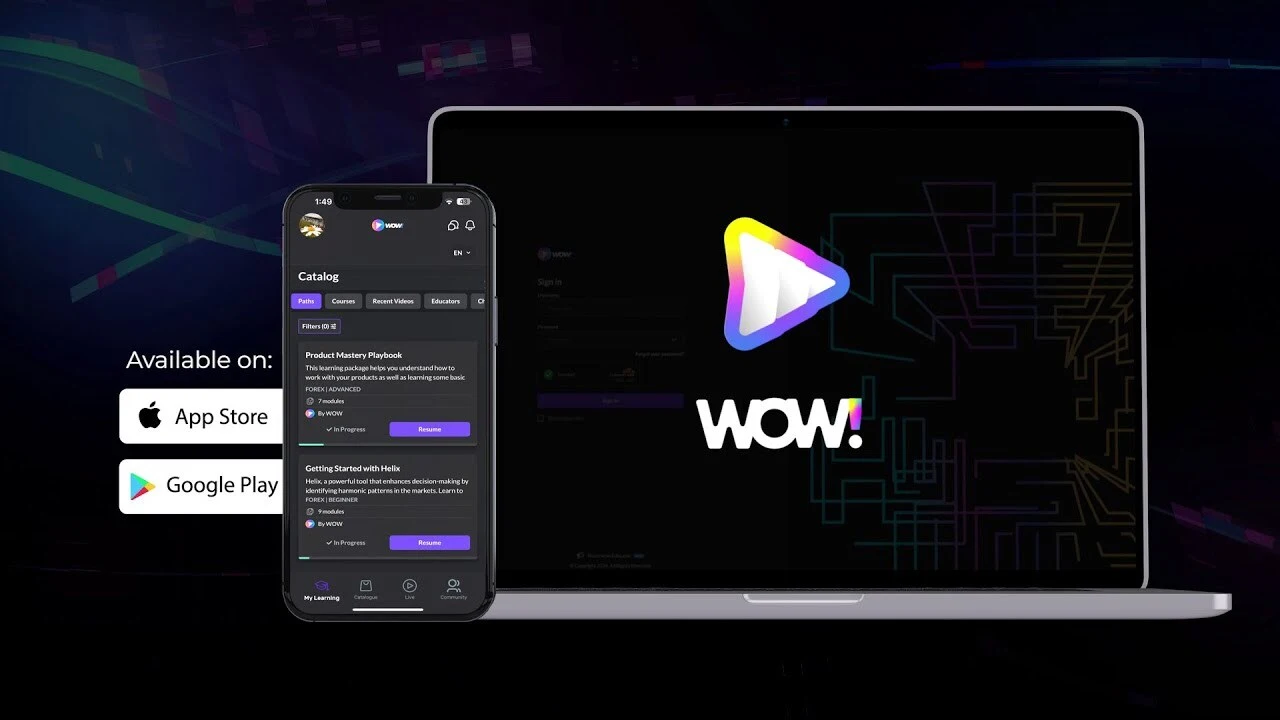
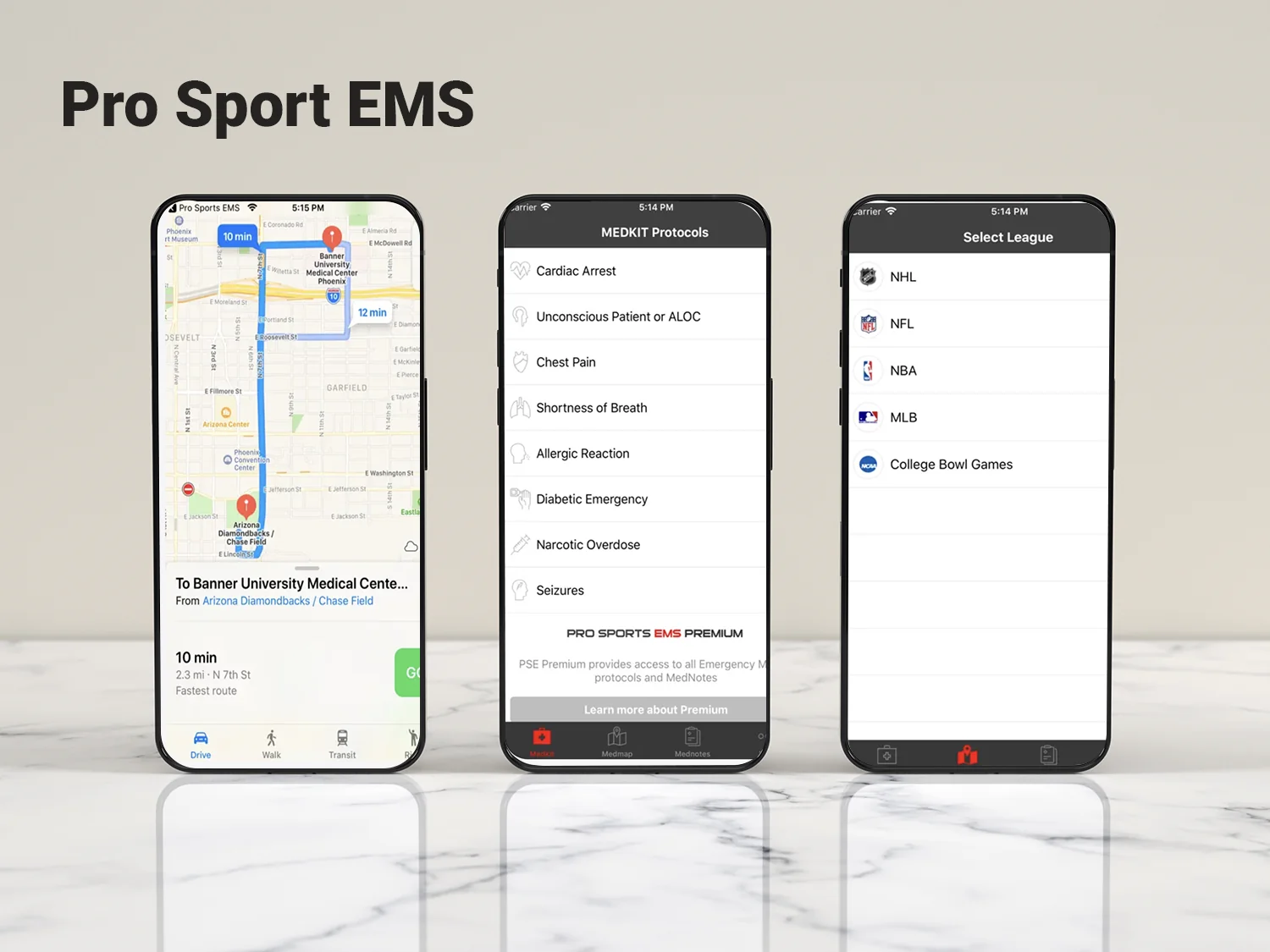
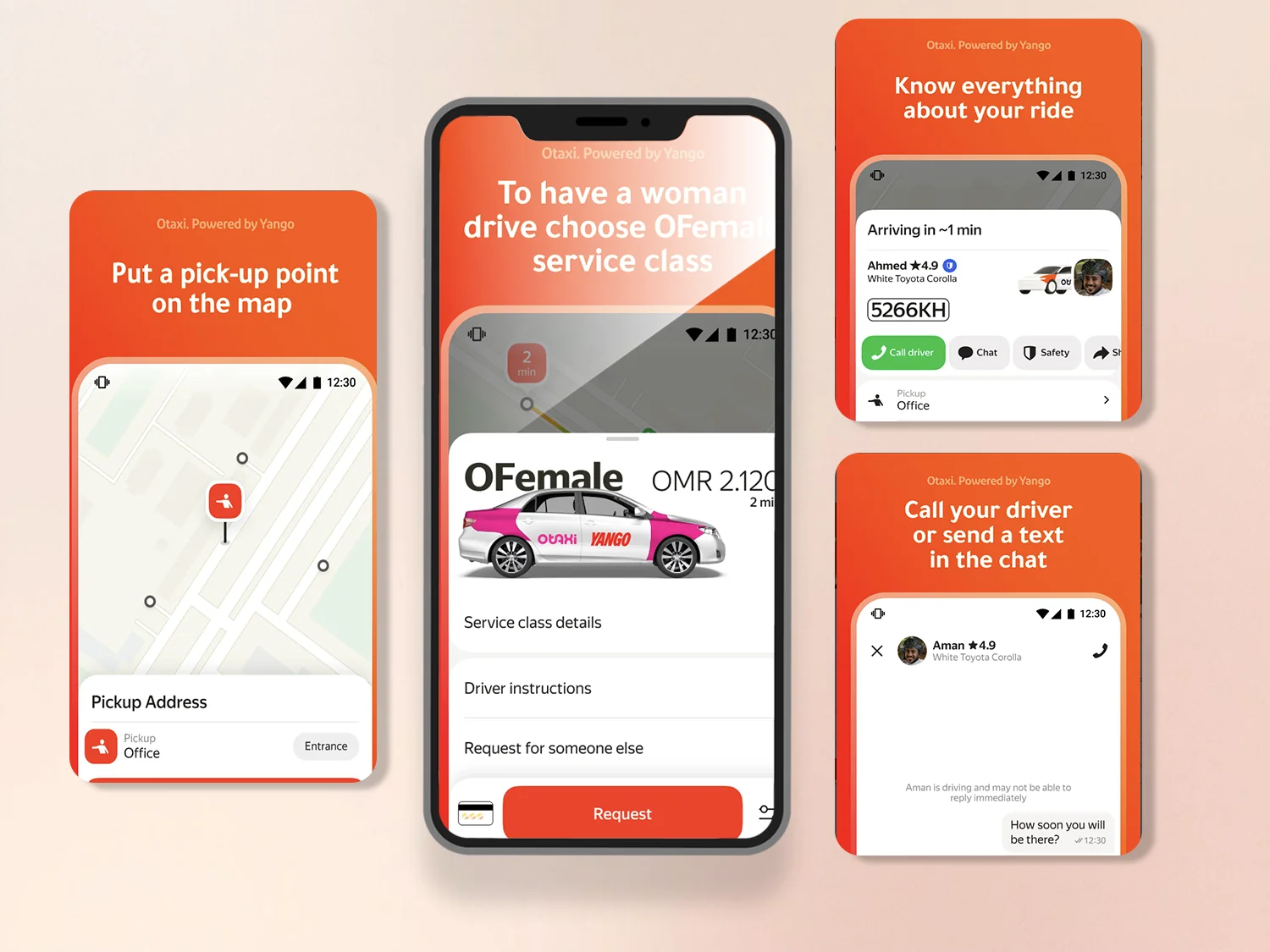
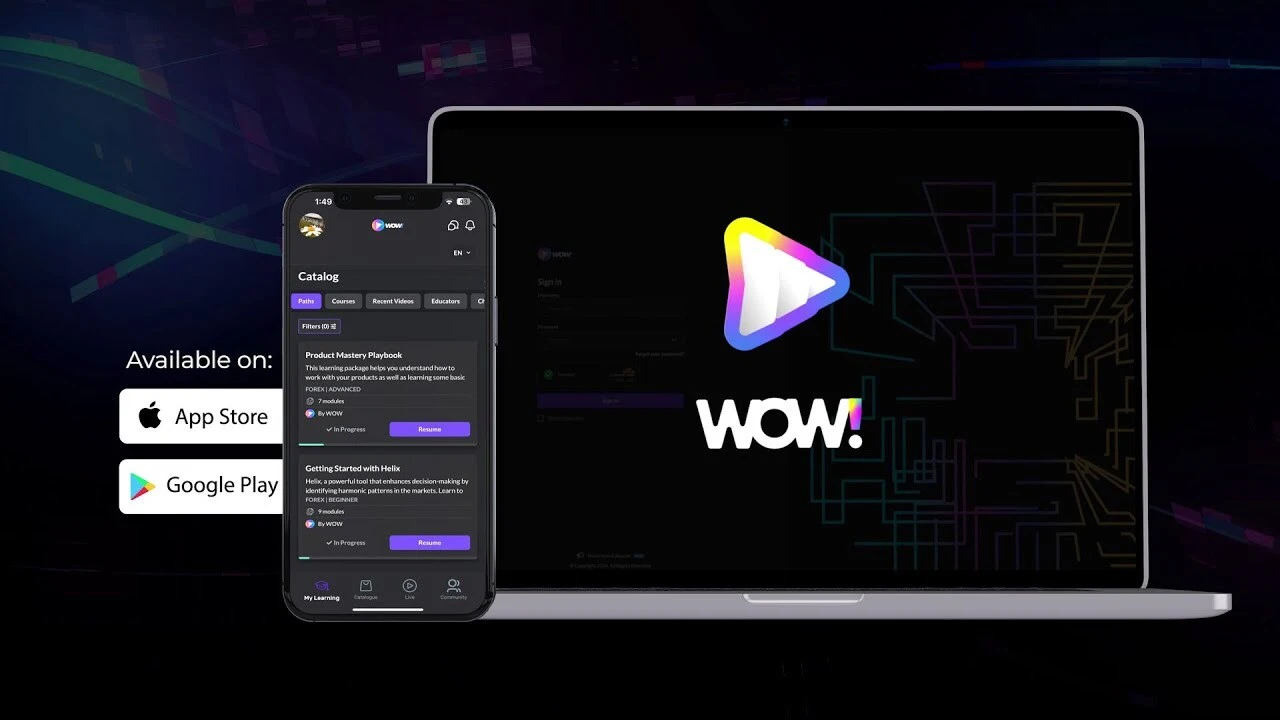
The mobile apps in our work are team experience: built by people now on the Nexentra team, before or independently of Nexentra. They include Youth.ai, a white-label Flutter platform that ships more than ten branded health apps from one codebase; Tasleem Taxi, a React Native driver app built to keep working with patchy coverage in Oman; and Wow Learn, a video-first learning app that combines native screens with WebViews.
The build notes go deeper: one codebase, ten branded apps, a driver app for unreliable networks, the Wow Learn hybrid architecture and one grocery app for households and restaurants.
What affects the cost of a mobile app?
We don't publish prices, because two apps with the same number of screens can be very different projects. The main factors are:
- one platform or both, and cross-platform or native
- the number of distinct user flows, and whether different users need separate apps (for example riders and drivers)
- integrations such as payments, maps, video or third-party SDKs
- offline and real-time requirements
- whether the backend and admin tools already exist or need to be built
- support and updates after launch, including new iOS and Android versions
How a mobile project runs
Projects follow the same five stages as all our work: discover, design, build, launch and scale. You see working builds early on real devices, and launch includes store submission rather than stopping at a finished build. How we take a product from idea to launch explains each stage.
After release, apps need regular updates for new iOS and Android versions, store policy changes and dependency upgrades. Planning for that from the start keeps an app in the stores instead of drifting out of date.
If you're planning an app, tell us what it needs to do.